

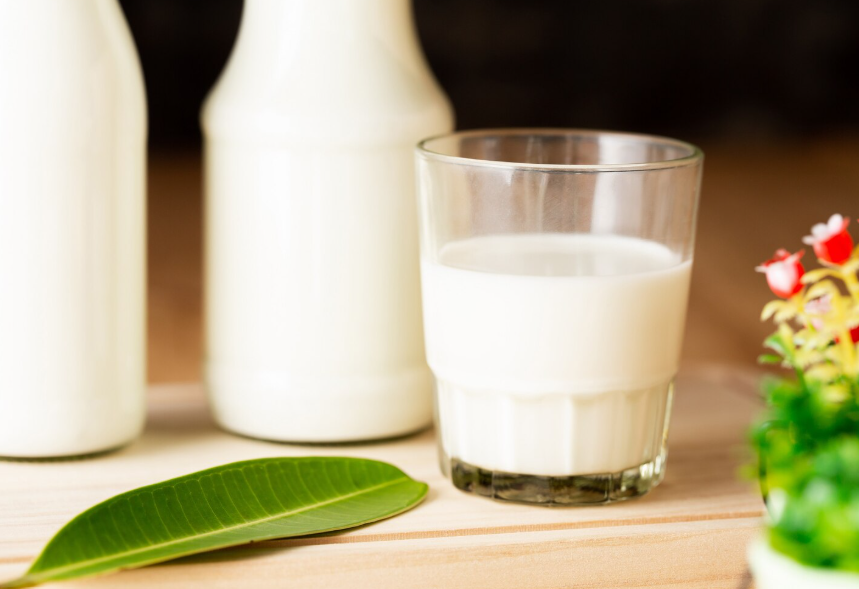
Milk is one of the simplest and most natural foods we know.
It has been part of human life for generations, yet today it is often debated in nutrition and health discussions.
In the Qur’an, milk is mentioned as something pure and nourishing:
“And indeed, in the cattle there is a lesson for you. We give you to drink from what is in their bellies, between excretions and blood: pure milk, easy and pleasant for those who drink it.”
(Surah An-Nahl 16:66)
This verse reminds us that milk is a gift from Allah ﷻ, something pure and easy to enjoy despite coming from a complex natural process.
In Islam, milk is also valued as a complete form of nourishment, both food and drink together, as mentioned in the Sunnah of the Prophet ﷺ.
How milk has changed today
Milk itself has not changed—but the way it is produced has.
Today, we mainly find two types:
 Natural / grass-fed milk
Comes from cows eating grass and pasture. Less processed and Closer to its natural form
 Pasteurised industrial milk
Heated at high temperature for safety
Lasts longer on shelves
Some natural enzymes and properties are reduced and killed during heating.
A simple reflection
Milk in its essence remains a blessed food in Islam.
But today, the quality and processing can change how it is experienced by the body.
So instead of asking “Is milk good or bad?”, a better question is:
What type of milk suits my body and lifestyle best?
In a world of extremes, perhaps the most peaceful approach is simply awareness—returning to nature where possible, choosing quality with intention, and listening to the body with gentleness.
Because sometimes, the simplest foods carry the deepest meaning.
